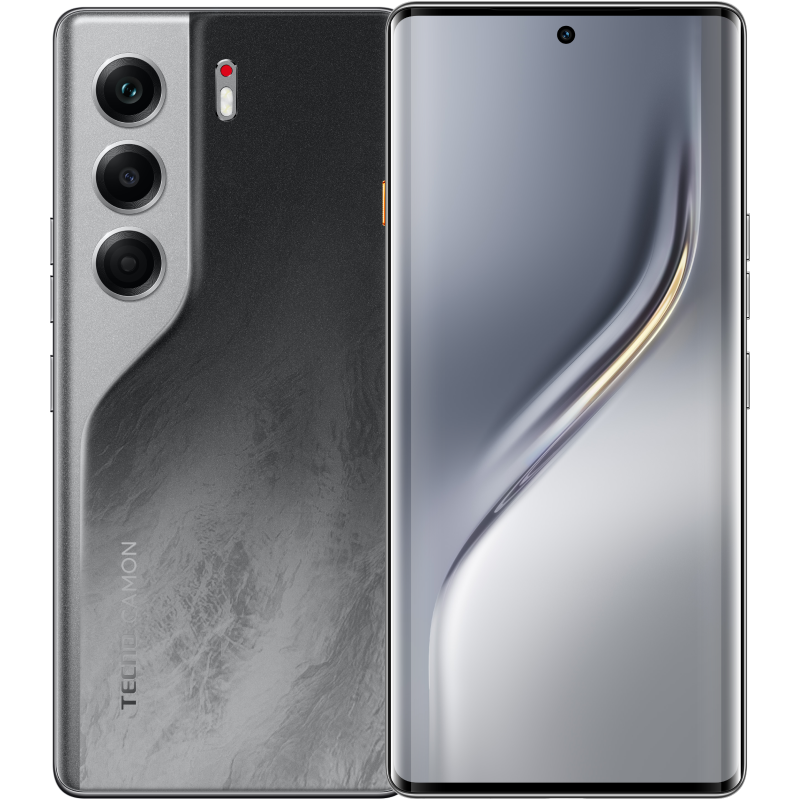
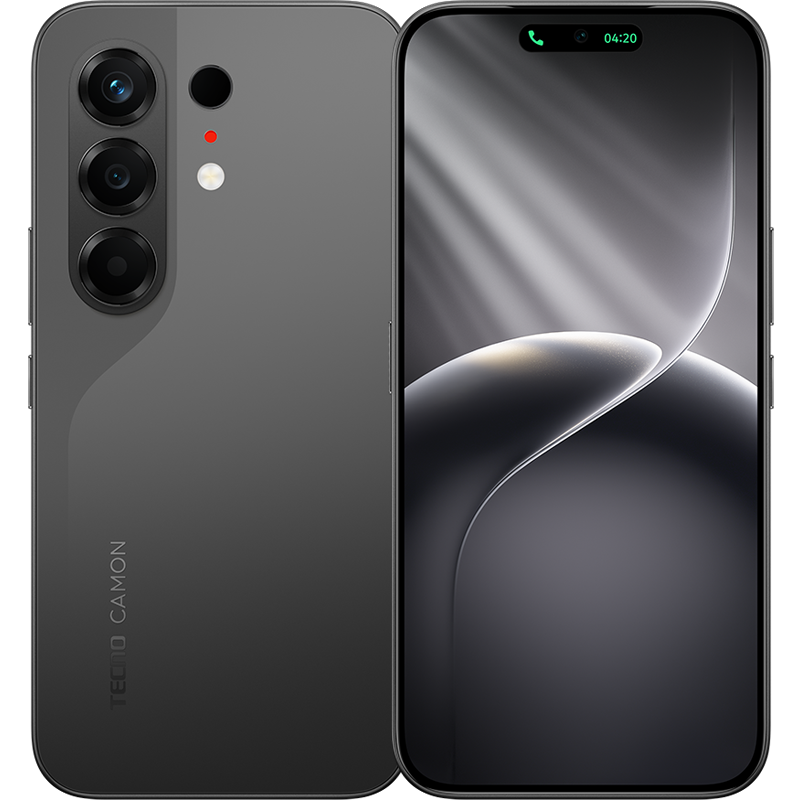
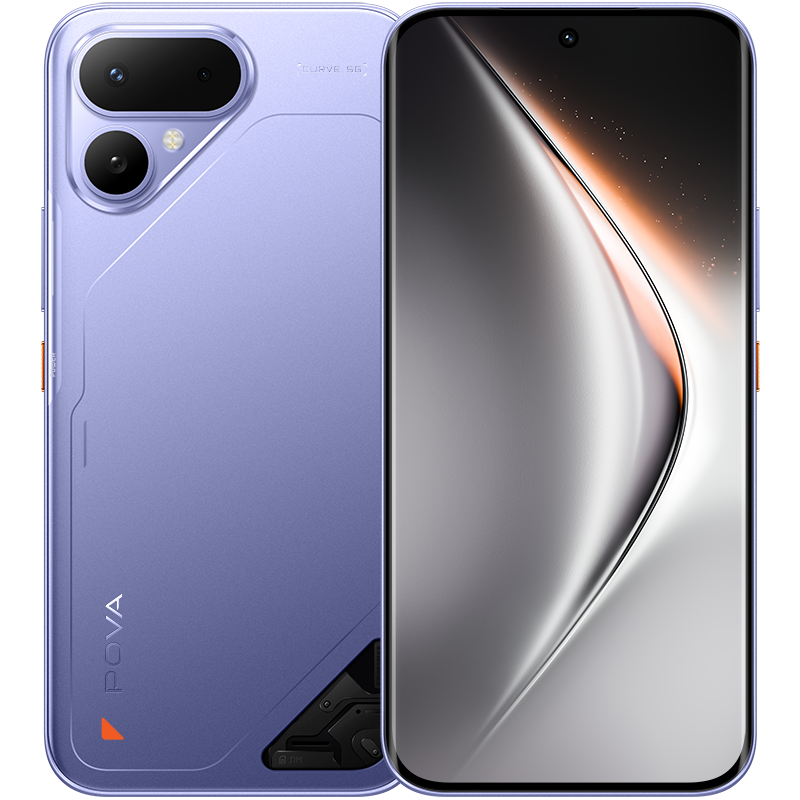
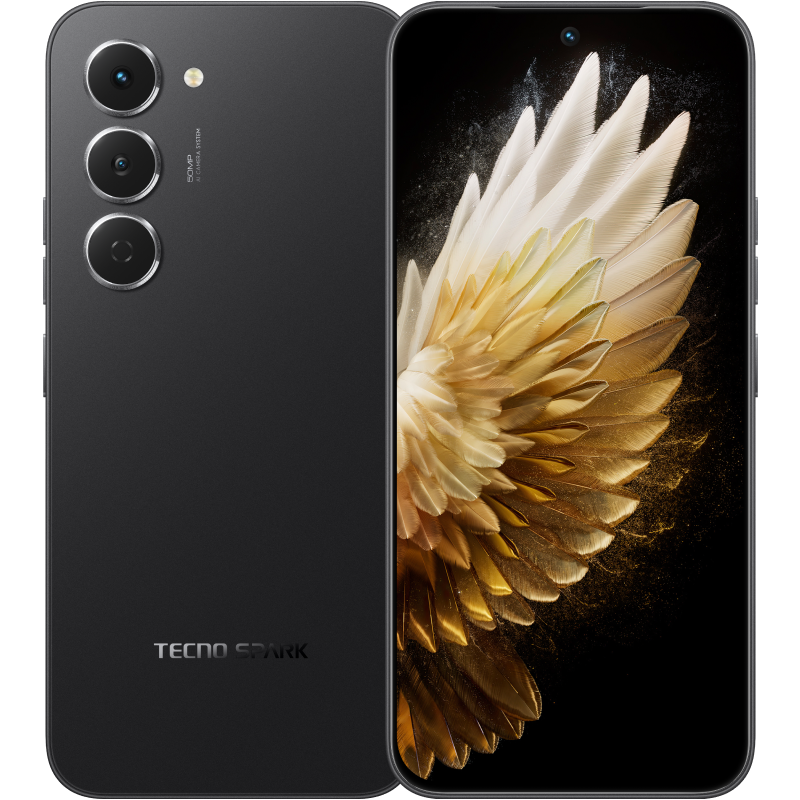
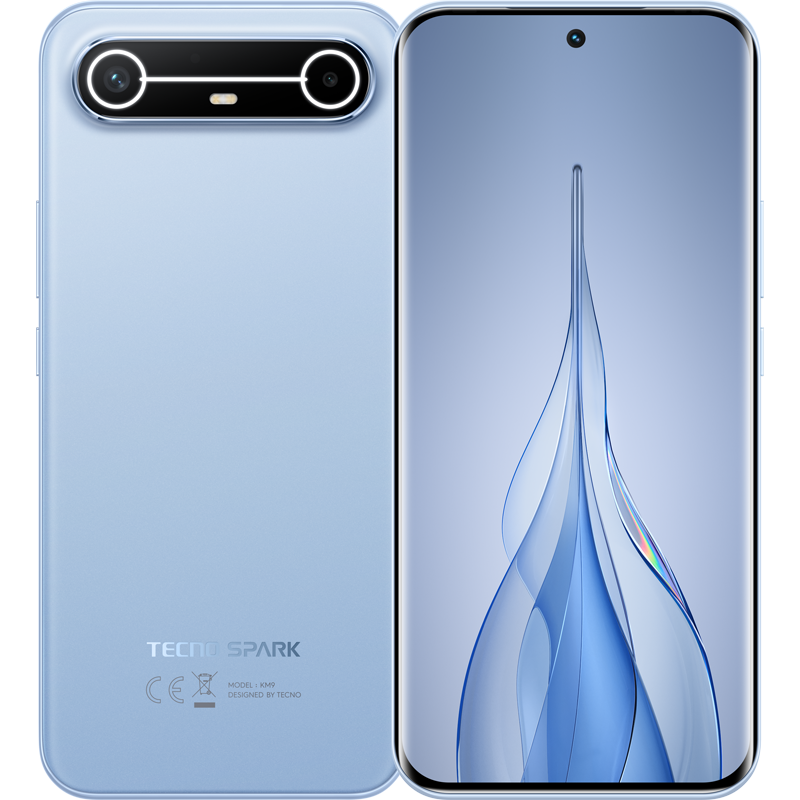
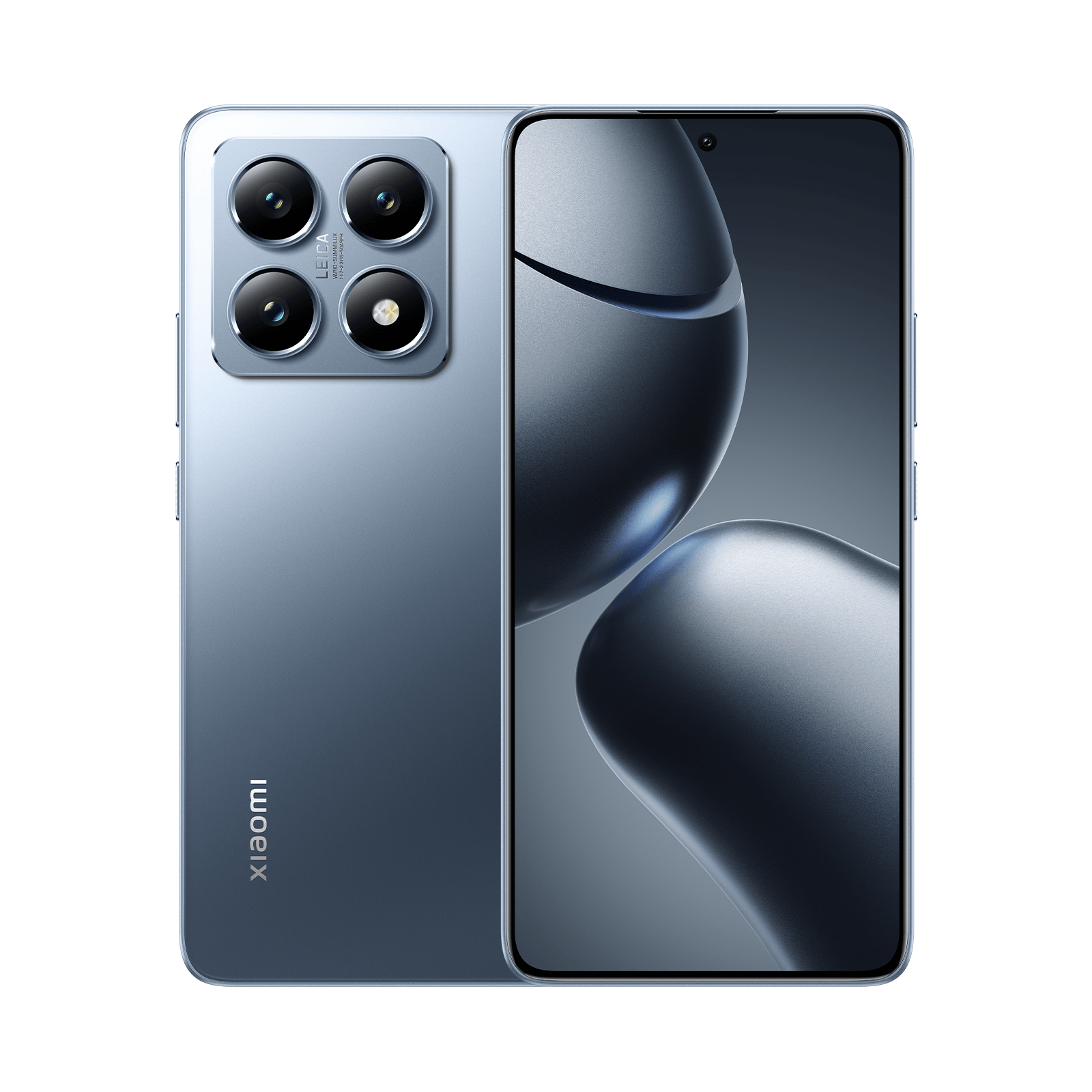
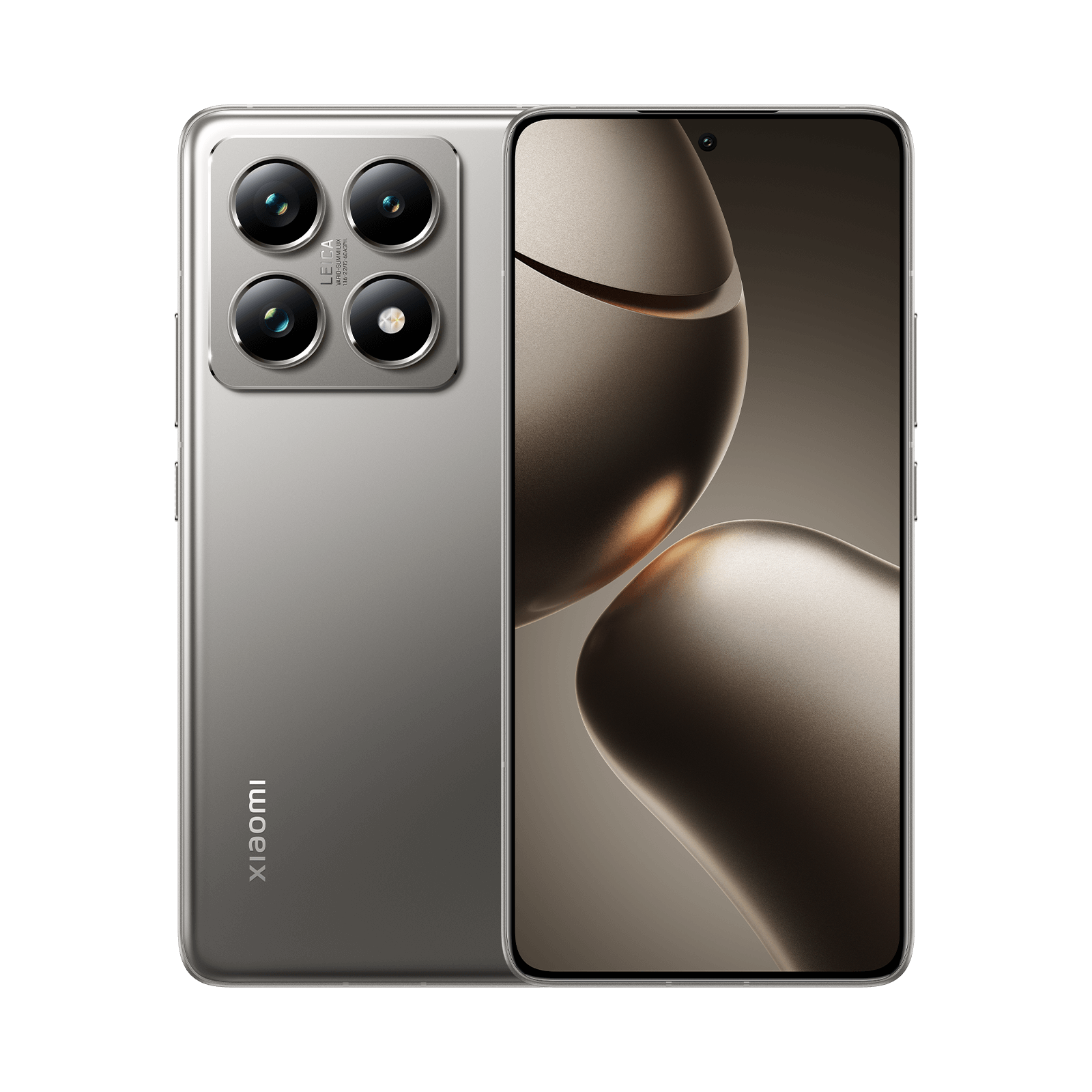
Models
Models with a 144 Hz OLED display
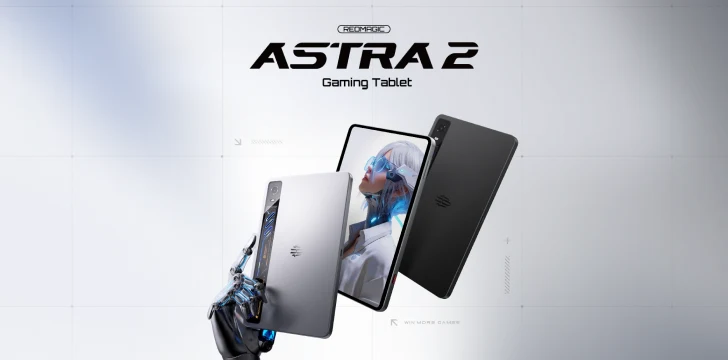
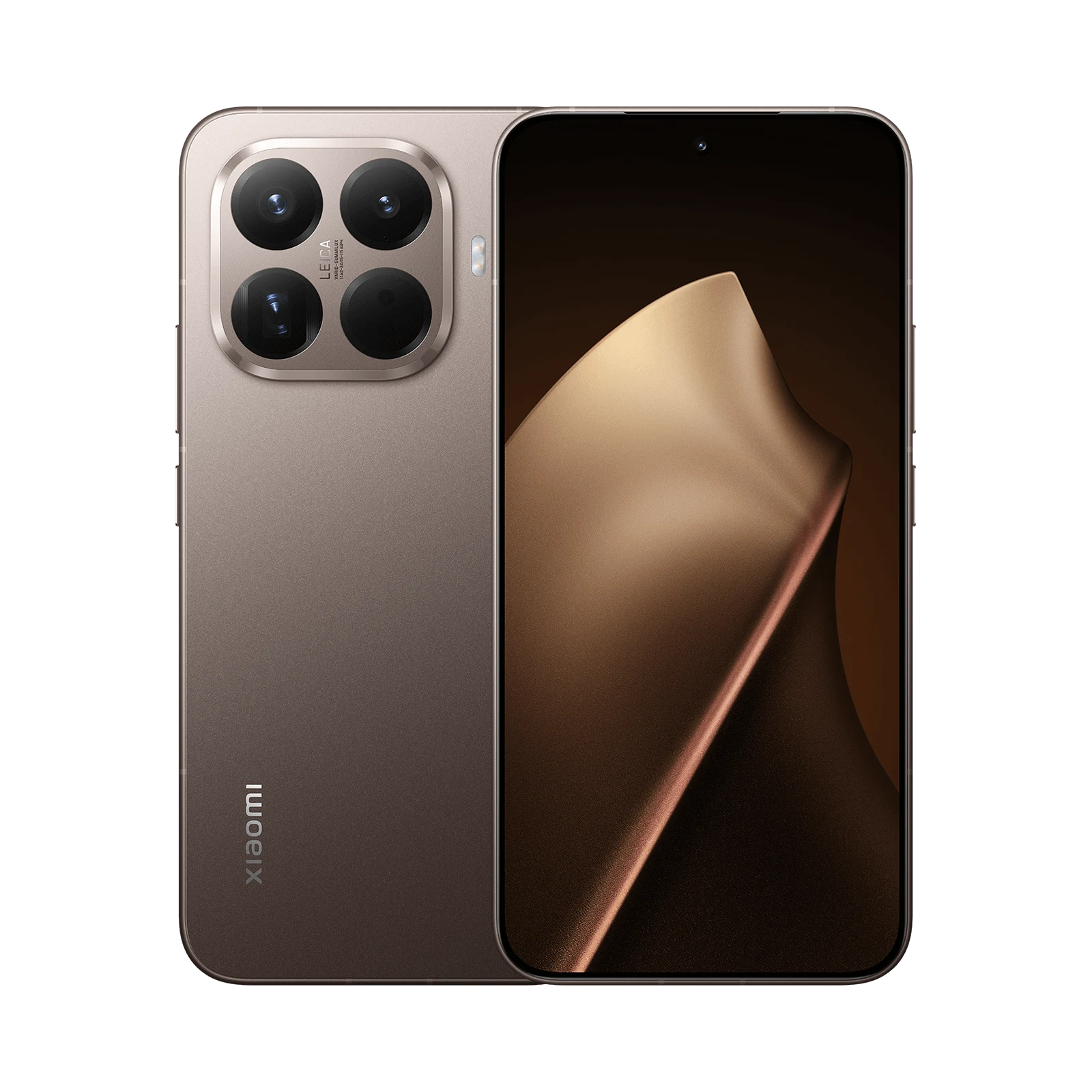
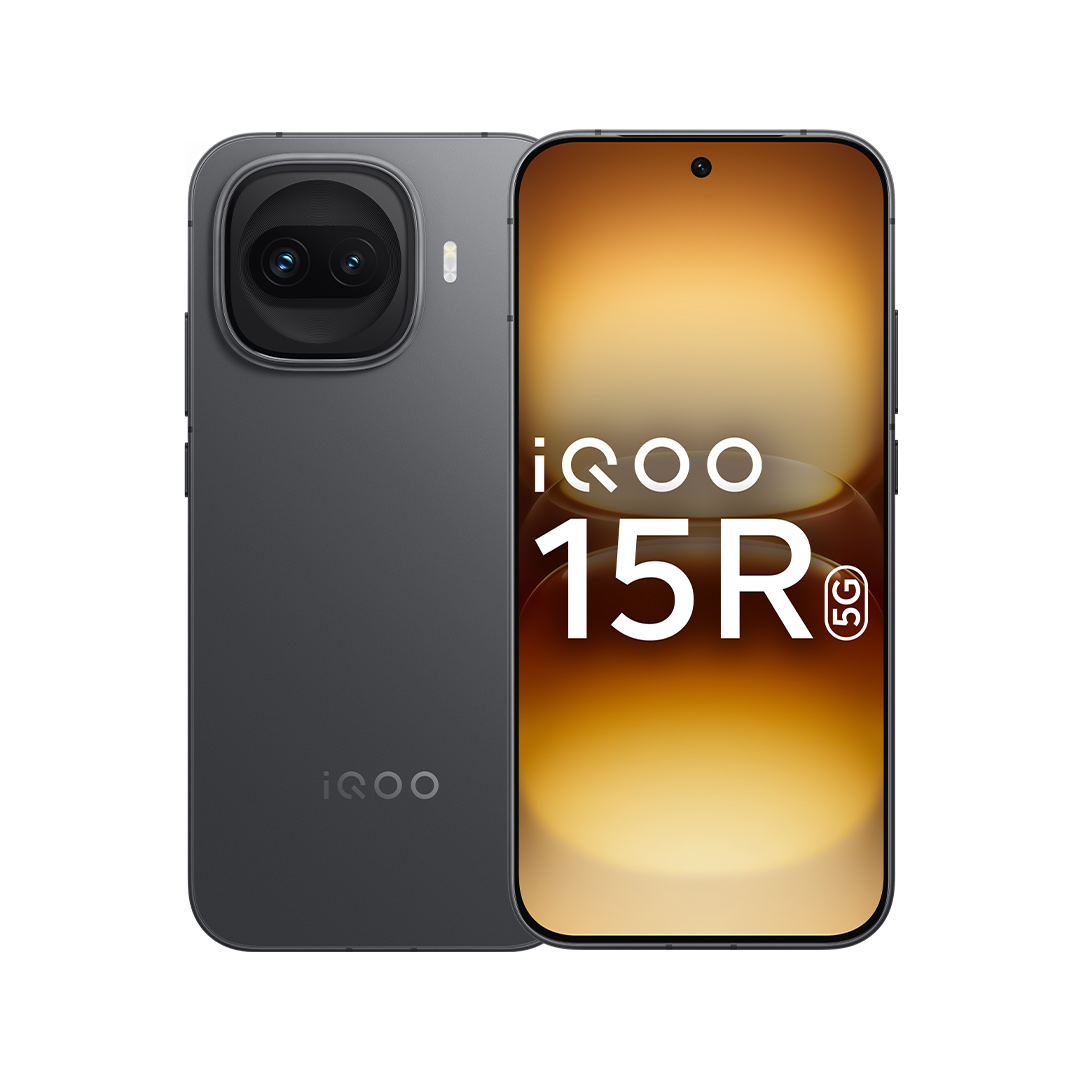
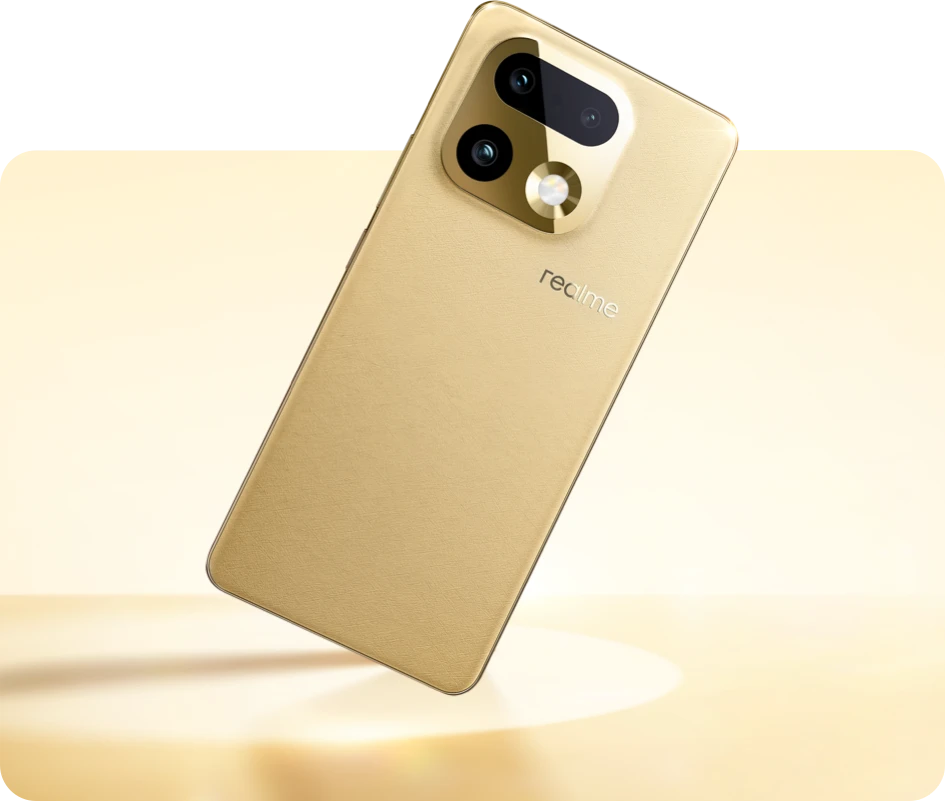
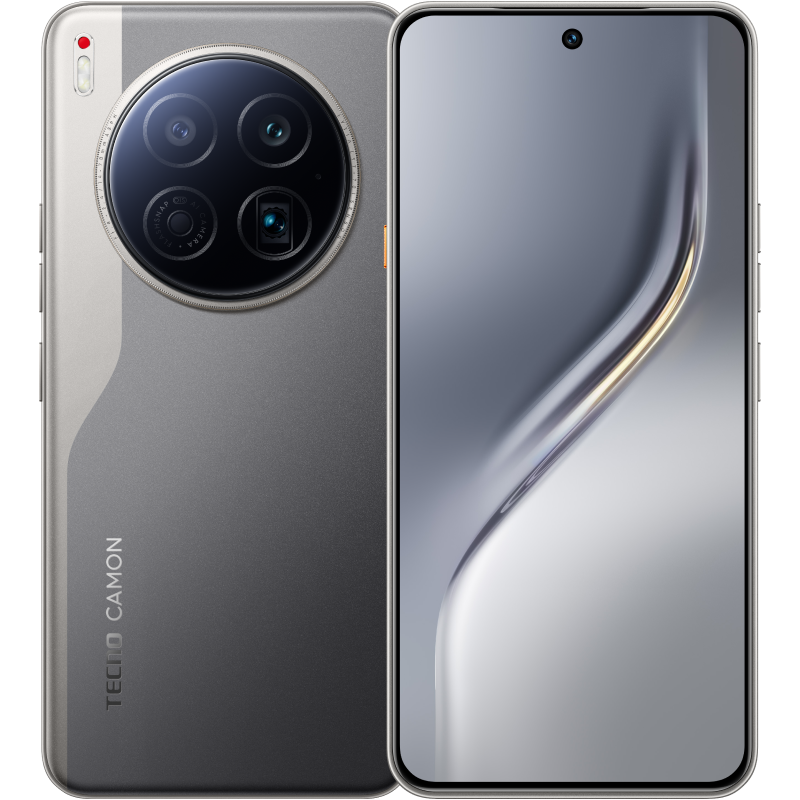
Each card carries what sets the product apart. Open the product page for its strengths, weaknesses and alternatives.
Kacbu lists 29 Phones with a 144 Hz OLED display: Motorola, Xiaomi, Oppo +10. The family is assembled by hand from what each maker calls its panel; the values it includes are listed below one by one, each with its own page. The newest was released in 2026.
The maker's own name is kept as written; every value has its own page.
In an OLED every pixel makes its own light; there is no backlight. Black is therefore truly black, contrast is very high and the panel is thin. The price is a risk of image retention on bright static content over time and, at low brightness, sensitivity to flicker; look at the maker's declared PWM frequency and peak brightness.
Refresh rate is how many times per second the display redraws; a high value makes scrolling and games smoother and drains the battery faster. The peak the maker declares is not always active; most devices lower it with the content. The products listed here state this value in their official specifications.
Each card carries what sets the product apart. Open the product page for its strengths, weaknesses and alternatives.