Catalogue in 5 languagesMaker-verified specifications
CategoriesOriginData sources
TRENDEESPT
Samsung

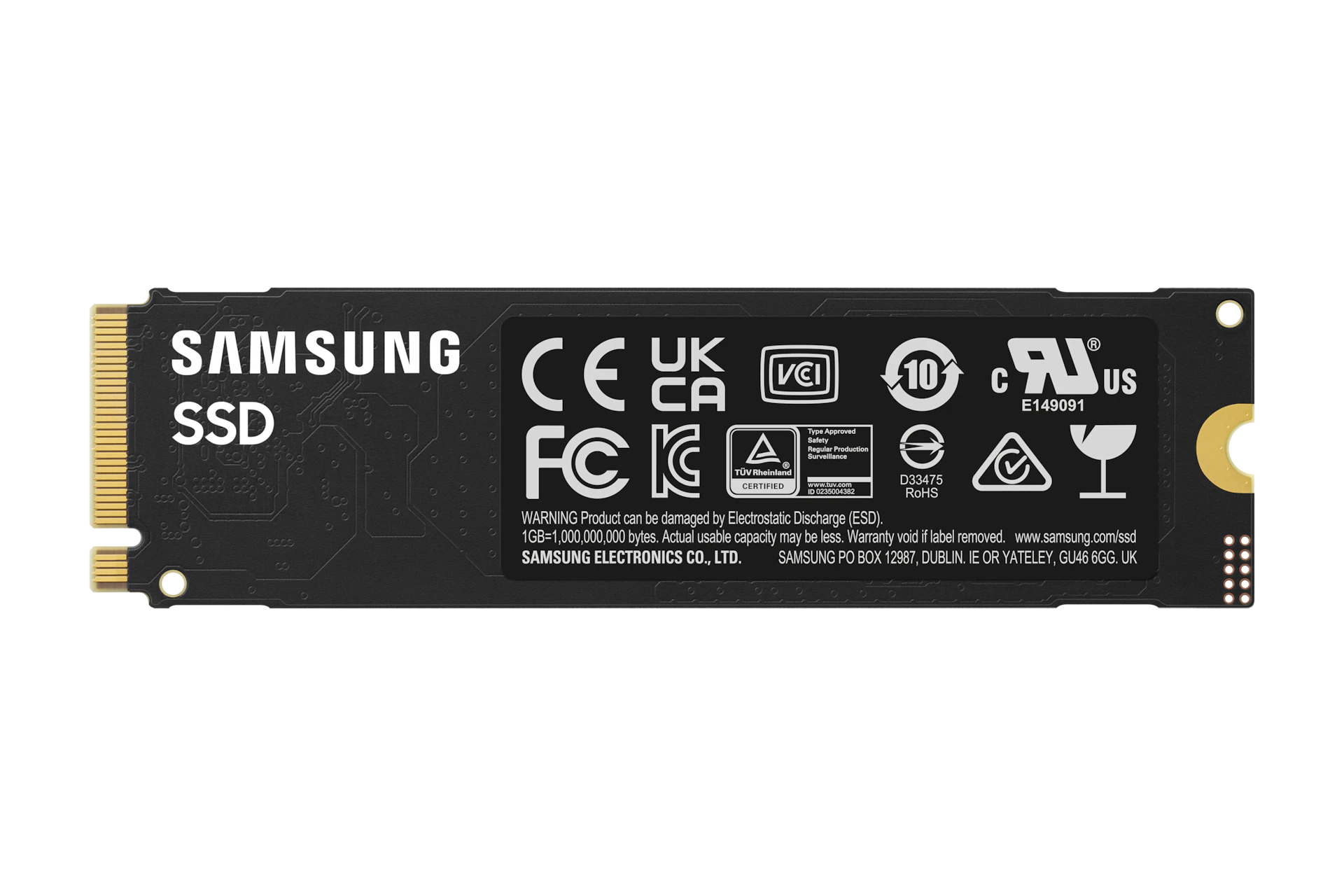
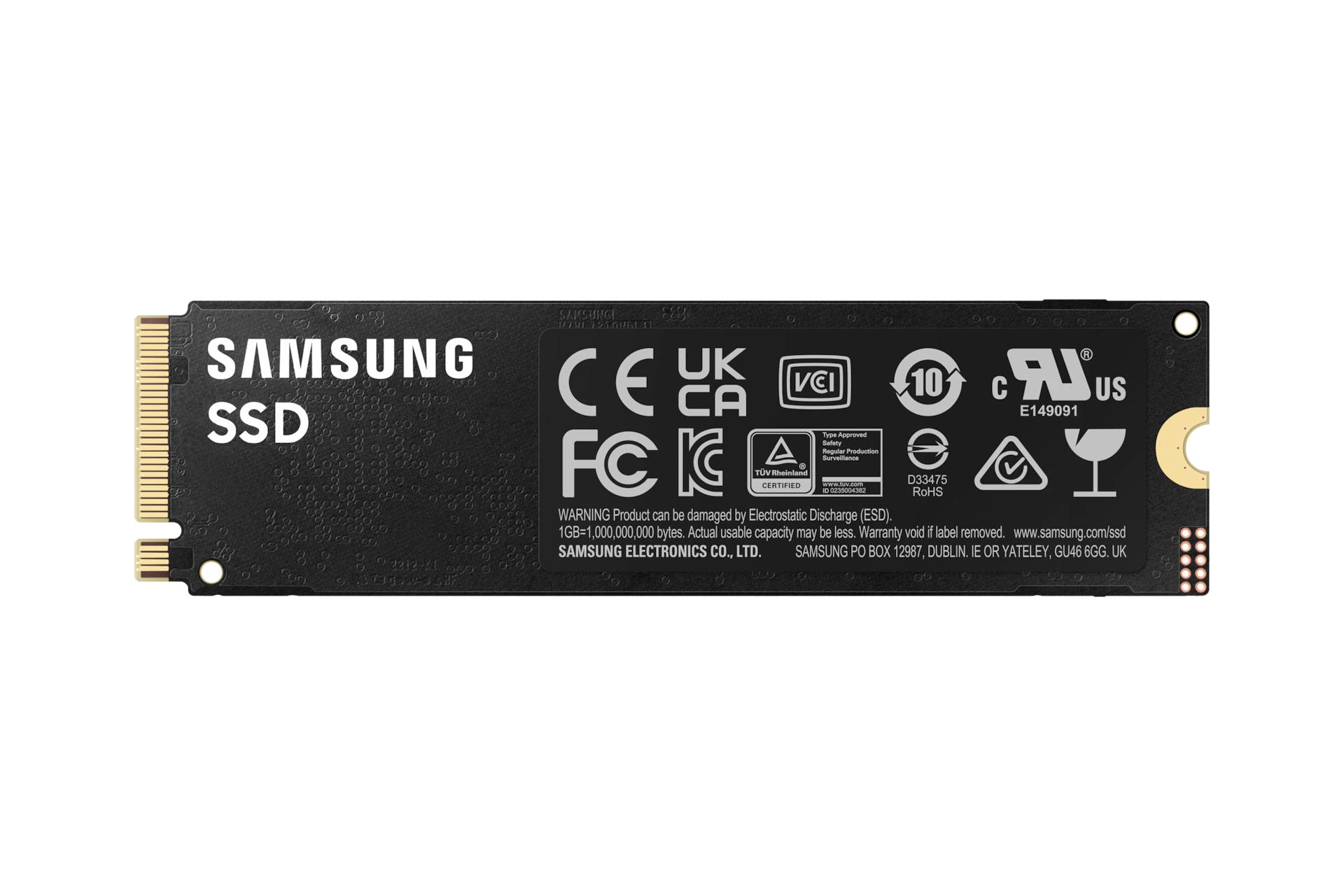
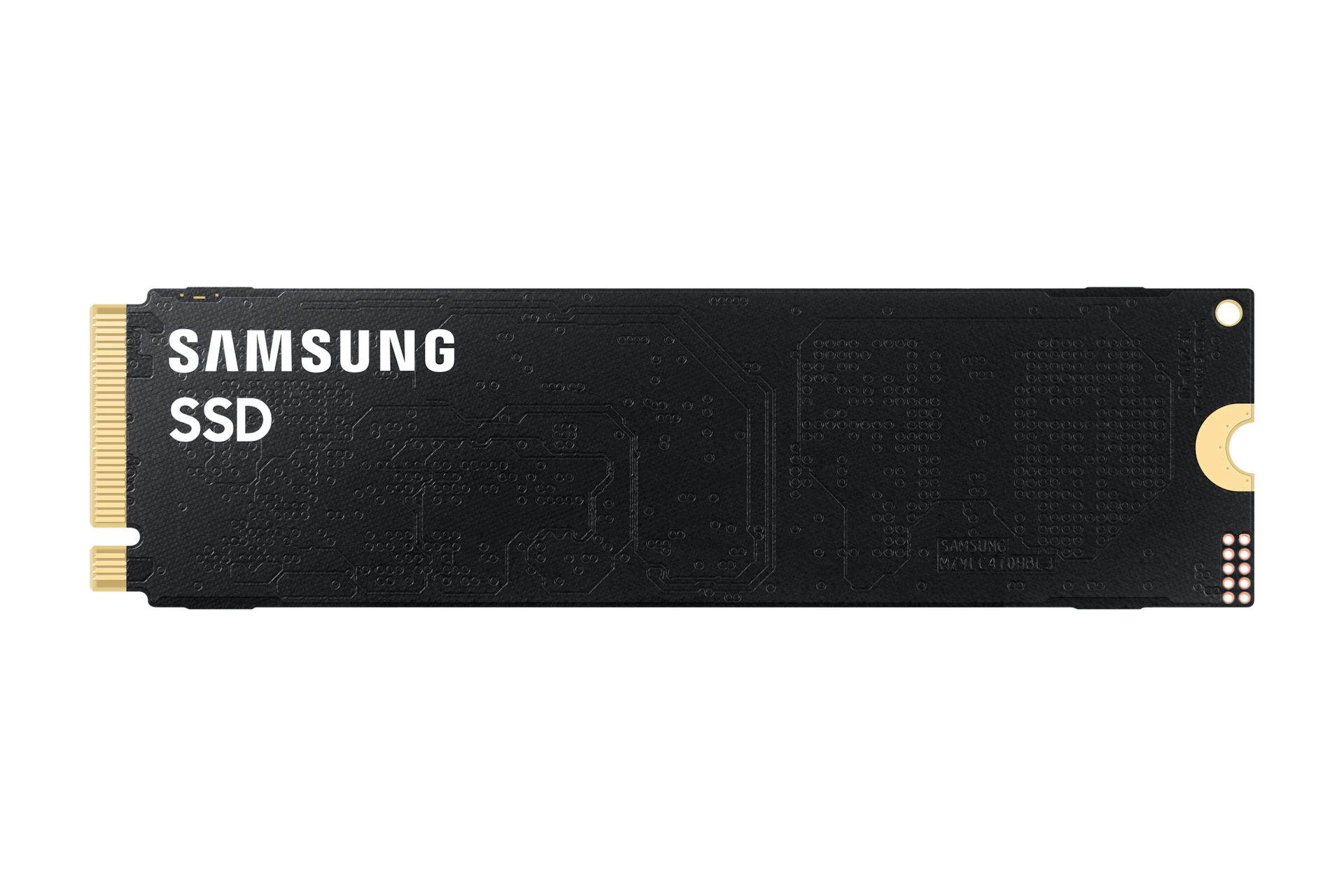
Samsung 9100 PRO 2TB

2 TB • PCIe 5.0 x4 • 14700 MB/s • 13400 MB/s

2 TBCapacity
PCIe 5.0 x4Interface
14700 MB/sRead
13400 MB/sWriting
KACBU

Should I buy it?

Samsung 9100 PRO 2TB
CONSIDER
  • Current model — 19 months on the market
Great choice if these matter:
  • Content Creation
  • Gaming
  • Work / Productivity
Watch out for:
  • Needs a PCIe 5.0 slot to reach its rated speeds; on a Gen4 board it runs at Gen4 pace.
  • 8.1 W under read load is high for an M.2 drive and wants real airflow or a heatsink.
19 months on the market
Regret riskLOWlimited data
Main risks
  • Needs a PCIe 5.0 slot to reach its rated speeds; on a Gen4 board it runs at Gen4 pace.
  • 8.1 W under read load is high for an M.2 drive and wants real airflow or a heatsink.
  • The bare model has no heatsink — the separate heatsink version costs more.
  • Sequential speed this high rarely changes game load times, which are limited elsewhere.
The risk level is computed from the release date and verified weaknesses. The confidence score appears only once enough owner reports exist.
This box relies only on verified specs, the release date and editorial assessment; owner reports join them as they come in. We do not predict prices.
What Samsung SaysPerformanceDurabilityLaunchSpecificationsFAQAlternatives
Official Statement

What does Samsung say about the product?

A summary of Samsung's official product description.

Official Samsung source

Samsung positions the 9100 PRO as twice the speed of the 990 PRO, with thermal control it says keeps demanding work from being interrupted.

Announced on February 27, 2025 and on sale from March 18, the 9100 PRO moves Samsung's PRO line to PCIe 5.0 x4 and NVMe 2.0. Samsung rates the series at up to 14,800/13,400 MB/s sequential — the 2TB model at 14,700 MB/s read — pairs its own controller with V-NAND TLC and 2GB of LPDDR4X cache, and claims up to 49% better power efficiency than the previous generation alongside what it describes as exceptional thermal control.

“two times faster than 990 PRO”
Open Samsung's official statement
Performance

How fast does it read and write?

Manufacturer's official sequential and random access values.

PERFORMANCE

Sequential in large files, random speed determiner on system disk.

14700 MB/s read

14700 MB/s — Sequential read · 13400 MB/s — Sequential write · 1850000 IOPS — Random read · 2600000 IOPS — Random write

14700 MB/s13400 MB/s1850000 IOPS2600000 IOPS
14700 MB/sSequential read
13400 MB/sSequential write
1850000 IOPSRandom read
2600000 IOPSRandom write
Durability

How long does it last?

Warranty period and total write endurance.

DURABILITY

The real determining value in long-term use.

1200 TBW

1200 TBW — Total Write Endurance · 5 Years — Warranty Period · 1.5 million hours — Mean time between failures

1200 TBW5 Years1.5 million hours
1200 TBWTotal Write Endurance
5 YearsWarranty Period
1.5 million hoursMean time between failures
Who Is It For?

Where does it stand out?

A usage guide built from the specs and the editors' tags; not a test result.

Content Creation

For creators who need professional video formats and fast transfer.

Good fit
Gaming

For gaming; tagged from the display's refresh rate and the chip's class. We have not measured frame rates or heat ourselves.

Good fit
Work / Productivity

For heavy work use; tagged from the battery and display specs. We have not timed the battery ourselves.

Good fit
Editorial Analysis

Strengths and points to consider

The Kacbu editors' assessment of the specifications the maker publishes. We do not test devices ourselves, so nothing here is a measured result. Anything taken from an independent review is shown with its publication and date in the Press section.

Strengths based on the specs
14,700 MB/s sequential read and 13,400 MB/s write — roughly double the previous PCIe 4.0 generation.
2,600,000 IOPS random write, which is what actually shows up in everyday responsiveness.
2 GB of LPDDR4X DRAM cache rather than relying on host memory.
Samsung's own controller and V-NAND TLC, so the whole stack comes from one vendor.
1,200 TBW endurance with a five-year warranty.
Standard M.2 2280 length fits desktop boards and most laptops.
Samsung claims up to 49% better power efficiency than the 990 PRO.
Things to consider
Needs a PCIe 5.0 slot to reach its rated speeds; on a Gen4 board it runs at Gen4 pace.
8.1 W under read load is high for an M.2 drive and wants real airflow or a heatsink.
The bare model has no heatsink — the separate heatsink version costs more.
Sequential speed this high rarely changes game load times, which are limited elsewhere.
PCIe 5.0 drives carry a clear price premium over Gen4 for most desktop workloads.
Historical Product Info

Official launch details

Instead of tracking today's retail price, Kacbu keeps the product's official launch information as a reference.

AnnouncedFebruary 27, 2025

The manufacturer's official announcement date.

ReleaseMarch 18, 2025

The start of the initial sales period.

Samsung is headquartered in South Korea; it designs and manufactures both the controller and the V-NAND memory itself. NAND production happens mostly at its fabs in South Korea, while module assembly can vary by batch.

This is not the current retail price — it shows the product's historical, official launch information.
Specifications

Samsung 9100 PRO 2TB specifications

Click a linked value to see other products that share that same spec, and leave a comment on that spec.

General

DRAM Cache
Family
9100 PRO
Controller
Samsung in-house controller
Release Year
2025
Manufacturer

Capacity

Capacity

Performance

Sequential Read
Sequential Write
Random Read (IOPS)
1850000
Random Write (IOPS)
2600000

Durability

Endurance
MTBF
1.5 million hours
Warranty
5 Years

Interface

Protocol
NVMe 2.0
Interface

Form Factor

Weight
9 g
Dimensions
80.15 x 22.15 x 2.38 mm
Form Factor
FAQ

The most common questions about this product

What the numbers on the spec sheet actually mean in day-to-day use.

Will it be faster than my current SSD in games?
Usually not by much. Game loading is limited by decompression and engine work far more than by drive throughput, so a Gen5 drive and a good Gen4 drive should load games in much the same time. The gain shows up in moving large files, not in reaching the main menu.
Do I need a PCIe 5.0 motherboard?
To see the rated speeds, yes. In a PCIe 4.0 slot the drive works perfectly but tops out at roughly half these figures. If your board is Gen4 only, a good Gen4 drive gives you the same real-world result for less money.
Does it need a heatsink?
It draws around 8 W while reading, which is a lot for an M.2 stick. Most Gen5 motherboards ship with an M.2 heatsink and that is generally enough. In a laptop, or a case with little airflow over the slot, the separate heatsink version is the safer choice.
What does 1,200 TBW mean in practice?
It is how much data can be written across the drive's life under warranty — 1,200 terabytes here. Writing 50 GB every single day would take over sixty years to reach it. For ordinary desktop use the warranty period runs out long before the endurance does.
Is the DRAM cache important?
Yes, for sustained work. The 2 GB of LPDDR4X holds the drive's mapping table on the drive itself, instead of borrowing system memory the way DRAM-less drives do. It keeps performance steadier when the drive is fairly full or under a long write.
Shared Hardware

Products that share this hardware

This product's standout specs. You can jump to other models that use the same value.

Alternatives

Other models in the same category

Other products in the same category.